fbpx

5 Loyalty Automation Journeys Hong Kong Retailers Use in 2026 to Lift Repeat Rate

In Hong Kong’s hyper-competitive retail landscape, loyalty is no longer just about points—it’s about timing. Picture a busy shopper juggling SMS, WhatsApp, WeChat, and emails, bombarded by weekly blasts that feel impersonal and annoying. Yet when the message arrives at exactly the right moment, she feels remembered and valued.

According to YouGov’s 2025 report, 61% of Hong Kong shoppers use digital loyalty programmes, while 75% rely on supermarket apps for discounts. Leading brands are shifting from mass campaigns to precise, event-driven journeys powered by marketing automation: real-time data triggers relevant messages instantly, delivering 1:1 experience across millions without expanding headcount. The breakthrough? Turning everyday friction—silent VIP drift, expiring points complaints, trapped data—into seamless, human engagement that drives stronger retention.

Here are 5 simple loyalty automation journeys that leading Hong Kong retailers are using in 2026 to create meaningful, timely customer moments and lift repeat rates.

1. Turn “Almost There” Shoppers into Loyal Upgrades

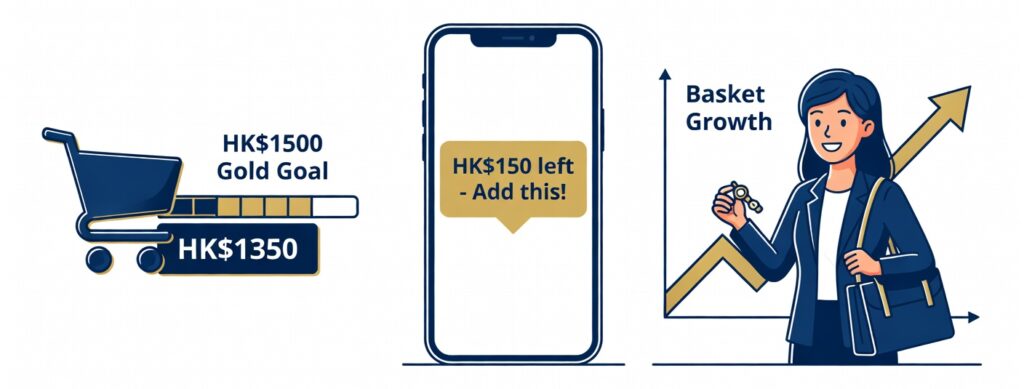
Imagine a loyal customer who’s been building toward Gold status—she’s so close, just HK$150 short—but life gets busy and she forgets. Without a gentle reminder, she walks away, and you lose that final sale and her growing loyalty.

Automation watches her spend in real time, spots she’s close to the threshold, and automatically sends a warm email at the best moment (about 3 days after her last visit): “You’re only HK$150 from Gold—add this accessory to unlock free styling and early sale access?” It feels personal, not pushy, because the system knows her recent buys and times it perfectly when she’s most likely to respond.

Real example: A global fashion retailer noticed many high-potential shoppers stalled just below the next tier, quietly leaking incremental revenue. Before, manual checks and broad emails barely moved them. Now, automation tracks progress live and triggers targeted pushes like this exactly when motivation peaks. Tier jumps doubled, baskets grew as people added items, repeat visits rose, and those “almost there” moments turned into stronger, ongoing relationships.

2. Give VIPs True Exclusivity

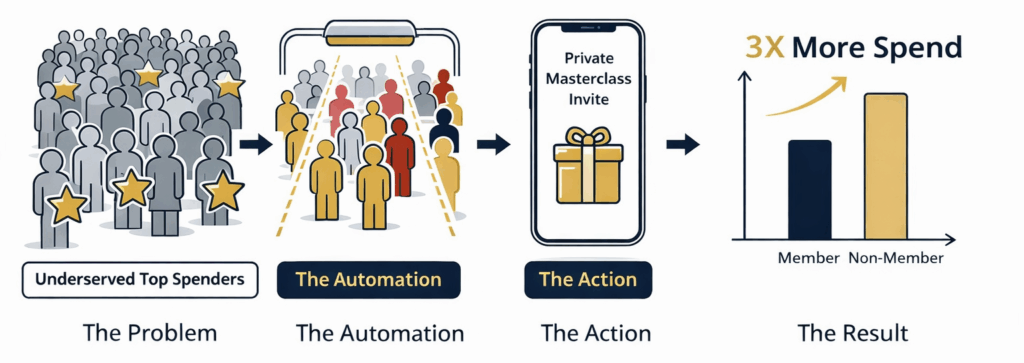
Your top customers—the ones who spend the most—crave feeling truly special. When mass emails lead to leaked codes and diluted exclusivity, they feel just like everyone else, trust fades, and they start shopping elsewhere.

Automation spots these VIPs by their spend and engagement, then delivers a private, heartfelt invite via WhatsApp or WeCom (especially for Chinese consumer): “Just for you—preview our new collection 24 hours early,” with a secure, single-use link that can’t be shared.

Real example: Sephora’s rapid growth left top spenders underserved without structured exclusivity. Now, automation identifies VIB (Very Important Beauty Insider) and Rouge tiers by spend and engagement, delivering tailored app/SMS perks like early sale access, exclusive gifts, and masterclasses—Beauty Insider members spend ~3X more than non-members, proving tiered VIP automation drives loyalty and advocacy. source

3. Make Perks Easy to Claim

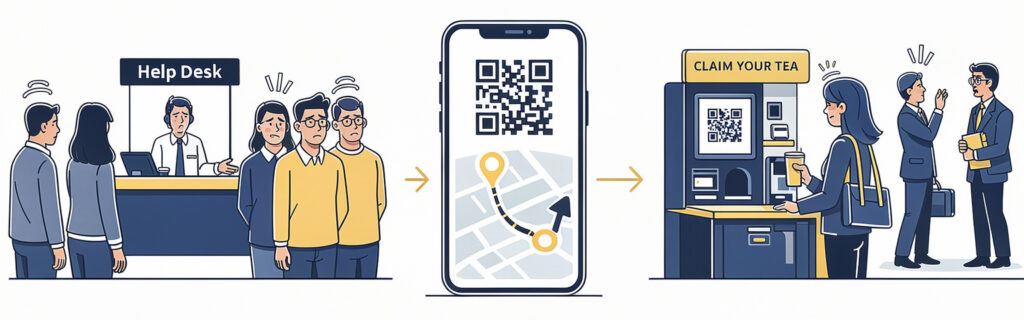
Think of a regular member excited about her monthly free gifts but confused about how to get it—she ends up frustrated, skips the claim, and visits less often, wasting your reward budget and missing add-on sales.

Once qualified, automation instantly recognizes it and automatically sends a simple WhatsApp or SMS message with a QR code and a clear store map, guiding her straight to the spot—no staff needed to explain anything. The system handles the whole process in the background, freeing front-line teams from repetitive questions so they can focus on sales and real customer service instead.

Real example: A 150+ store household chain saw perks go unclaimed due to confusion, with staff swamped by the same “how do I claim this?” questions every month, wasting valuable man-hours that could have been spent helping shoppers or closing sales. Now, the system automatically sends the QR code and store map on the 1st of each month. Members collect happily, come back more often (often adding paid items), satisfaction rises, complaints fade, and those small perks become gateways to bigger, joyful shopping habits—while staff time is saved dramatically and redirected to higher-value work.

4. Stop Points Expiring Silently (Prevent Complaints)

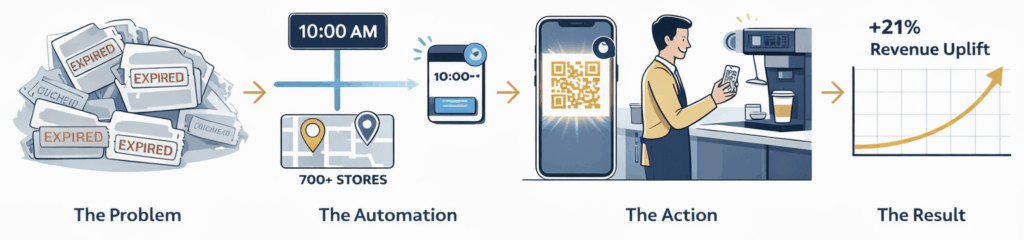
A customer earns points steadily through everyday buys, but forgets the expiry date. When they vanish unnoticed, she feels overlooked and uncared for—complaints at the counter rise, trust dips, and her routine visits slow.

Automation constantly monitors expiry dates across all members and automatically sends a caring reminder at a natural time (like 10 AM SMS): “Your points expire soon—use them today for that coffee you love.” It personalizes the suggestion based on her past purchases, making it feel thoughtful and timely.

Real example: ZUS Coffee, Malaysia’s largest coffee chain (700+ stores), struggled with unredeemed offers expiring as they scaled, unable to deliver timely reminders at volume. Now their loyalty app automates voucher distribution with push/email reminders before expiry, driving 3X converted customers, 6X transactions/revenue (2023-24) and 21% revenue uplift on personalized campaigns—turning lapsed rewards into active loyalty.​source

5. Bring Back “Silent” Customers Before They’re Gone

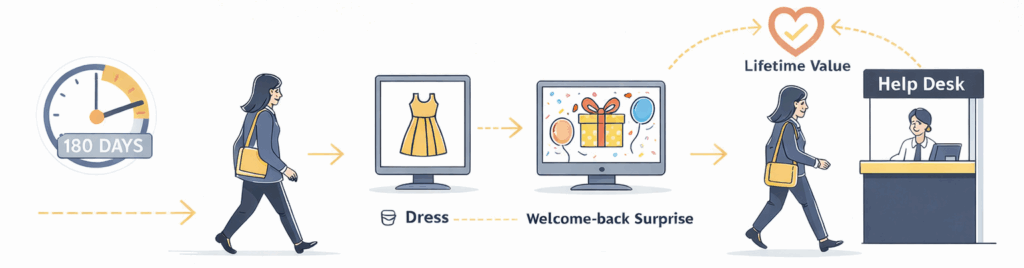
One of your best customers goes quiet after six months—life got busy, no big drama, but she’s drifting away. Silent churn wastes what you’ve already invested in her and hands her future spend to competitors.

Automation automatically detects the 180-day inactivity gap and instantly sends a warm, personalized WhatsApp or SMS: “We miss you—here’s what’s new in the styles you loved, plus a small welcome-back surprise.” It pulls from her past purchase history to make the recommendations relevant, timing the outreach precisely when she’s most receptive.

Real example: A multi-brand fashion group watched solid members fade silently, with no scalable way to reconnect. Now, automation spots the gaps and triggers gentle re-engagement messages that feel like a friend checking in. Lapsed customers returned in droves, often buying right away, trust rebuilds through relevance, and those recovered relationships bring renewed visits and higher lifetime value.

Quick Channel Mix for Hong Kong

  • App Push: Quick, friendly nudges.
  • WhatsApp/WeCom: Warm, personal chats.
  • Email: Deeper, storytelling recaps.
  • SMS: Gentle, urgent reminders. Smart rules ensure no overload—keeping every touch welcome in our busy, message-filled lives.

What You Gain

In 2026, timely automation isn’t about tech—it’s about making customers feel remembered and respected in a city that moves fast. Automation handles the watching, timing, and personalization so every interaction feels human. Customers come back more often, spend a little more, and stay longer. You see higher repeat rates, bigger baskets, stronger trust, fewer complaints, recaptured relationships, and major savings in staff time—no extra headcount required.

Ready to Get Started?

Contact Radica Systems today for a free consultation on piloting one of these loyalty automation journeys.

We’re here to help you turn these ideas into real results for your brand.

FAQ

How do these marketing automation journeys handle cross-channel frequency in Hong Kong?

Cross-suppression rules automatically pause SMS if a customer opens an App Push or WhatsApp message—preventing overload across millions of users.

What scale can this marketing automation platform handle?

The engine processes millions of loyalty members in real time, with sub-second trigger latency even during peak shopping periods like Double 11 and Lunar New Year.

What are loyalty automation journeys in retail?

Loyalty automation journeys are behavior-based customer flows that trigger the next message automatically based on what a member does, such as reaching VIP status, becoming inactive, unlocking a monthly perk, or showing renewed interest in a product category. Instead of sending the same campaign to everyone, retailers can make loyalty communication more timely and more relevant. This matters because repeat-rate growth usually comes from small, well-timed actions: a reminder before points expire, a reward when a member becomes eligible, or a comeback message before the customer quietly drifts away. In practice, loyalty automation helps retailers improve retention, increase offer redemption, and reduce the manual work involved in segmenting, exporting, and resending lists.
How can retailers make VIP customers feel truly exclusive in a loyalty program?

VIP customers feel exclusive when the communication is selective, timely, and clearly not meant for everyone. That means identifying high-value members by spend, purchase frequency, engagement, or tier movement, then giving them access to something that feels limited: early previews, priority booking, private reward drops, or one-to-one style recommendations. The mistake many brands make is treating VIPs like the broader member base and simply sending bigger discounts. A better approach is to make the experience feel curated. Channels like WhatsApp or WeCom can work well here because they feel more personal than mass email, especially when paired with limited-time offers, single-use redemption links, or in-store collection privileges.

How can retailers re-engage lapsed loyalty members before they churn?

Retailers can re-engage lapsed members by setting clear inactivity windows, such as 90, 120, or 180 days, and then triggering a comeback journey based on what the customer used to buy, browse, or respond to. The key is not just to say “we miss you,” but to give the person a relevant reason to return. That could be new arrivals in a category they previously purchased, a reminder of unused benefits, or a low-friction reward that makes the next visit worthwhile. The value of automation here is speed and consistency: instead of waiting until the customer is fully gone, the brand can respond while there is still some residual familiarity and purchase intent.

Which channels work best for loyalty automation: WhatsApp, SMS, email, or app push?

The best channel depends on the job to be done. Email works well for richer content, member updates, and storytelling. SMS is stronger for urgency, such as expiring rewards or short redemption reminders. WhatsApp or WeCom is often better for more personal, service-like interactions, especially for VIPs or members who need a more guided experience. App push can work for fast reminders, but only when the brand already has strong app usage. The real advantage comes from combining channels intelligently rather than relying on one. A good loyalty strategy uses the right channel for the right moment, while suppressing duplicate messages so customers do not feel chased across platforms.

Contact US

Featured Articles

Get ready to find a professional email marketing company in Hong kong?

RADICA as #1 All-In-One Email Marketing Automation Platform can ease your concern.

About RADICA

RADICA is a Hong Kong leading email marketing solution provider dedicated to accelerating revenue and maximizing customer connection with customer engagement solution in B2B, B2C and E-commerce industries. With RADICA’s advanced onmichannel marketing automation platform RI+, it is much easier and effective to spread out cross-channel messages with automated and personalised journey, even with high volume within short period of time. Our clients ranging from luxury, banking and insurance to food and beverage like Chanel, BEA, LEVI’s, Chow Sang Sang and Starbucks. Since 2000, RADICA as the leading email marketing and CRM agency in Hong Kong have focused on growing the value of their customer database by making wise use of data analytics in direct marketing. Learn more Radica Systems Limited at www.radicasys.com.