Beyond the Gallery Walls: How Marketing Automation Journeys Can Transform a Museum Experience
Museums have always been more than buildings filled with art and artifacts. They are gateways to culture, storytelling, and inspiration. Yet in today’s fast-moving world, even the most remarkable exhibitions compete with endless entertainment options.
With today’s abundance of information and endless travel options, many museums, cultural attractions, and landmark projects around the world face the challenge of insufficient visitor numbers after their grand openings. Improving both visitor conversion and repeat visits has therefore become a pressing issue that many are trying to solve.
The challenge, in short, is two-fold:
- Attracting first-time visitors when travel choices are vast.
- Encouraging repeat visits so the museum becomes part of lifestyle, not just a one-time stop.
This is where marketing automation journeys come in.
Imagine the Visitor’s Path
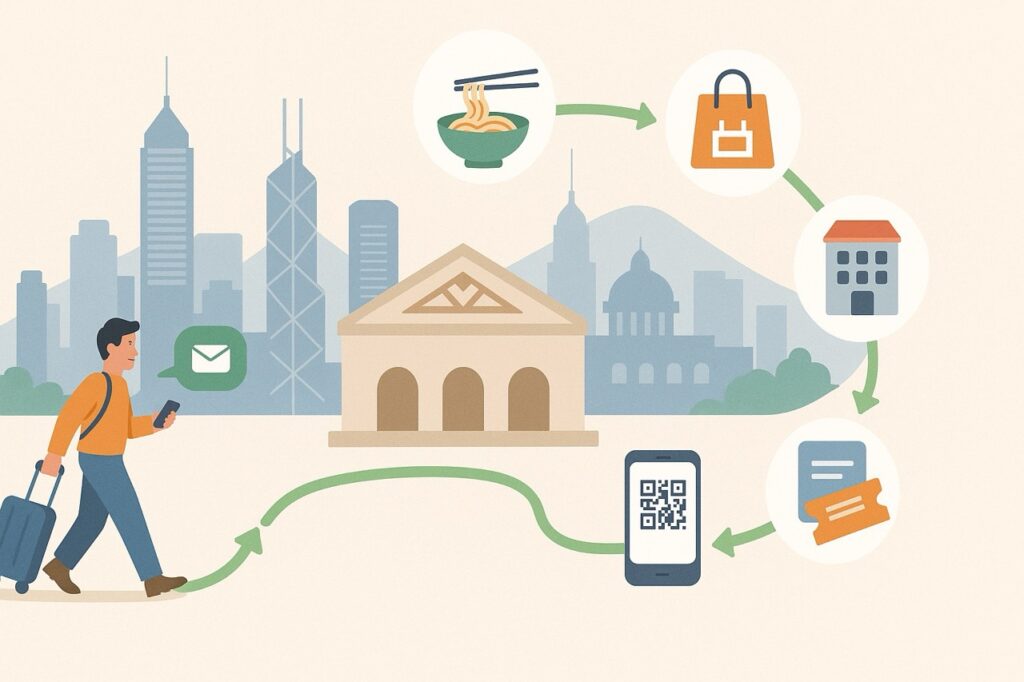
Think of a traveler stepping off a high-speed rail in Hong Kong. Their plan might be to explore the city, try some local food, maybe shop a little. The museum? Perhaps an afterthought—unless something sparks their curiosity.
Or picture someone leaving a gallery after an inspiring exhibition. They enjoyed the visit, but without a reason to return, the memory slowly fades. Another exhibition comes months later, but the museum has already slipped from their mind.
These are the moments where marketing automation can step in—not as pushy advertising, but as timely, thoughtful nudges that guide a person’s journey.
From Storytelling to Execution
It’s easy to talk about making museums “more engaging.” But what does that look like in practice? Marketing automation offers concrete, down-to-earth ways to connect with visitors before, during, and after their experience. Below are three practical flows that show how a museum can extend its impact, not just for visitors but also for nearby retailers and even the broader city economy.
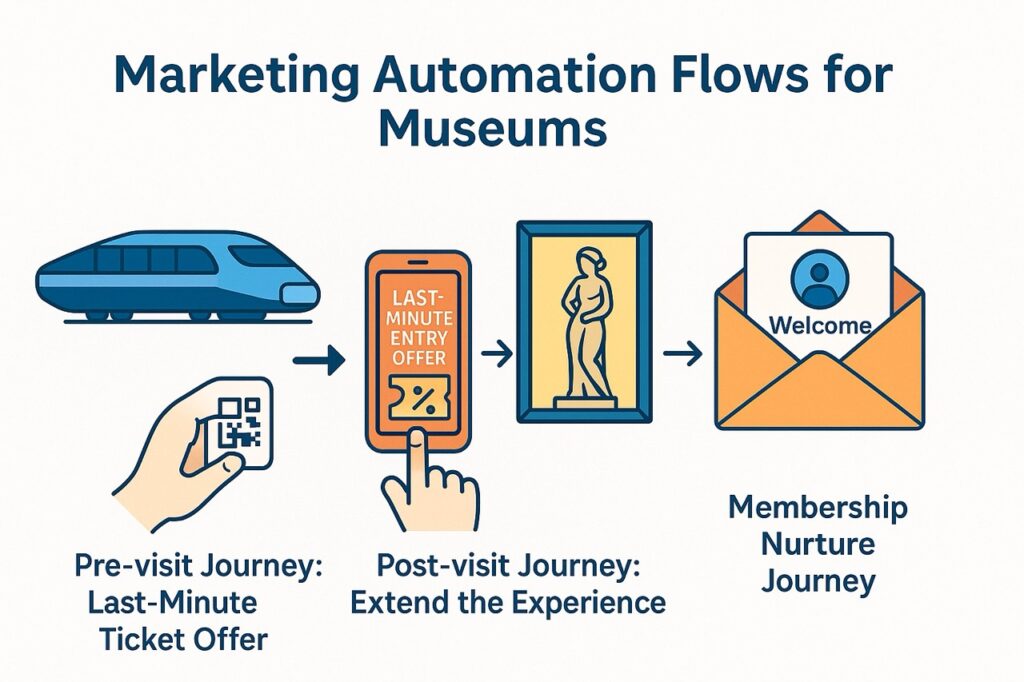
Marketing Automation Flows for Museums
Flow Name | Trigger | Automation Steps | Value for Museum & Partners |
Pre-visit Journey: Last-Minute Ticket Offer | Traveler buys high-speed rail/MTR ticket to Hong Kong (but hasn’t bought museum ticket yet) | 1. System cross-checks ticket availability with museum’s booking system. 2. If visitor hasn’t bought a museum ticket, send “Last-Minute Entry Offer” via WhatsApp/Email/SMS. 3. Include bundled deals (e.g., exhibition ticket + café voucher). | Captures potential visitors who may not have planned the museum visit.
|
Post-visit Journey: Extend the Experience | Visitor scans QR code on exhibit label, café coaster, or hotel room card | 1. Send behind-the-scenes video or artwork story immediately. 2. After 3 days, send survey + discount for next visit. 3. After 30 days, send personalized invitation to upcoming exhibition with partner dining/hotel offer. | Turns one-time visits into repeat visits.
|
Membership Nurture Journey | Visitor signs up for museum newsletter or joins membership | 1. Welcome email with member perks(exclusive previews, shop discounts). 2. Monthly digest with exhibition picks + local partner offers. 3. Triggered reminders for member-only events and seasonal promotions. | Builds long-term loyalty.
|
Why These Flows Matter
Each of these flows reflects a different phase of the visitor lifecycle:
- Before arrival, the museum captures attention and converts potential passersby into ticket holders.
- After the visit, the relationship doesn’t end at the exit; it evolves into ongoing storytelling and incentives to return.
- Over the long run, membership programs deepen loyalty and turn occasional visitors into brand advocates.
By embedding automation into these phases, the museum transforms from being just a stop on a trip to becoming part of someone’s lifestyle.
A Shared Ecosystem of Value
The beauty of this approach is that it extends beyond the museum itself. Local restaurants, cafés, and hotels become part of the journey. A ticket to an exhibition also means a special cocktail inspired by an artwork, or a hotel room card featuring a limited-edition design. Visitors enjoy richer experiences, local businesses enjoy new revenue, and the city strengthens its cultural appeal.
At its core, marketing automation is about smart timing and relevance. It ensures communication is never intrusive but always meaningful. Done right, it can help museums become financially sustainable—not just through ticket sales, but by creating ripple effects across the local economy.
When a museum invests in personalized journeys like last-minute ticket offers, post-visit storytelling, and membership nurture, it isn’t just improving marketing. It’s building an ecosystem where art, visitors, retailers, and even the government all benefit.
And that’s when a museum truly goes beyond its walls—becoming not only a cultural hub but also a driver of connection, commerce, and community.
FAQ
How can museums use marketing automation to attract more visitors?
Museums can use marketing automation to reach potential visitors at moments when interest is more likely to convert, rather than relying only on broad campaigns. For example, automation can trigger timely messages around travel intent, nearby activity, ticket interest, event launches, or partner touchpoints. That helps museums move from generic awareness-building to more context-based engagement. Instead of promoting the same exhibition to everyone, they can surface the right message to the right person at the right stage, whether that is a first-time traveler, a local culture seeker, or someone who already interacted with a past event.
How can museums encourage repeat visits after the first experience?
Repeat visits usually happen when the museum continues the relationship after the initial visit, rather than treating the visit as the end of the journey. Marketing automation helps by extending the experience: sending follow-up content related to what the visitor saw, inviting feedback, recommending upcoming exhibitions, or giving a reason to return within a defined timeframe. This is especially important for museums that want to become part of a visitor’s ongoing leisure or cultural routine. A good post-visit journey turns a one-time attendance into a continuing relationship built on relevance, memory, and curiosity.
What triggers work best for museum marketing automation?
The best triggers are based on real visitor actions. These can include ticket purchases, event registrations, QR code scans, newsletter sign-ups, membership joins, prior visit history, or partner-driven activity such as hotel or transport referrals. Strong triggers work because they are tied to real intent, not just a fixed campaign calendar. That allows the museum to respond in a way that feels timely and helpful. For example, an immediate follow-up after a QR scan can deepen engagement, while a timed invitation a few weeks later can support re-engagement without feeling intrusive.
How can museums use QR codes to personalize the visitor experience?
QR codes can turn physical exhibits into entry points for deeper digital engagement. Instead of serving only as static information tools, they can trigger journeys that deliver additional stories, artist context, behind-the-scenes content, surveys, or tailored invitations for future exhibitions. This makes the visitor experience more interactive and extends it beyond the gallery space. It also gives museums a low-friction way to connect offline behavior with digital follow-up, which is valuable for learning what visitors are interested in and using that insight to shape future communications more effectively.
Contact US
Features Articles
The Easiest Way to Get the WhatsApp Business API
Business Opportunities Evoked from the New MCRA Policy
Digital Customer Engagement Has Never Been So Easy!
Digital Transformation – All start with Data Management
Get ready to find a professional email marketing company in Hong kong?
RADICA as #1 All-In-One Email Marketing Automation Platform can ease your concern.
About RADICA
RADICA is a Hong Kong leading email marketing solution provider dedicated to accelerating revenue and maximizing customer connection with customer engagement solution in B2B, B2C and E-commerce industries. With RADICA’s advanced onmichannel marketing automation platform RI+, it is much easier and effective to spread out cross-channel messages with automated and personalised journey, even with high volume within short period of time. Our clients ranging from luxury, banking and insurance to food and beverage like Chanel, BEA, LEVI’s, Chow Sang Sang and Starbucks. Since 2000, RADICA as the leading email marketing and CRM agency in Hong Kong have focused on growing the value of their customer database by making wise use of data analytics in direct marketing. Learn more Radica Systems Limited at www.radicasys.com.
FAQ
What is Customer Knowledge Value (CKV)?
Customer Knowledge Value, or CKV, is the value a brand builds from what customers know, feel, remember, and believe about it over time. It goes beyond transactions. A customer may buy once, but that does not mean the brand has earned trust, emotional connection, or long-term relevance. CKV is about whether customers understand the brand, recognize its values, remember its story, and are willing to stay engaged beyond a single promotion or purchase. That makes it especially useful for brands that want to build resilience, advocacy, and stronger retention rather than relying only on short-term conversion campaigns.
How is CKV different from Customer Lifetime Value (CLV)?
CLV and CKV are related, but they answer different questions. CLV tells you how much revenue a customer may generate over time. CKV tells you how deeply that customer understands and values the brand. One is commercial, the other is relational. A customer with high CLV may still be price-sensitive and easy to lose. A customer with strong CKV is more likely to trust the brand, respond positively to its communications, forgive occasional mistakes, and recommend it to others. In other words, CLV helps explain future revenue potential, while CKV helps explain loyalty strength and brand durability.
Why does CKV matter for long-term brand resilience?
CKV matters because brands become vulnerable when their customer relationships are built only on promotions, convenience, or short-term transactions. In crowded markets, that makes them easy to replace. When customers have stronger knowledge of the brand, clearer emotional connection, and more confidence in what it stands for, they are more likely to stay engaged even when competitors offer discounts or when market conditions change. This is where CKV becomes a form of resilience. It helps brands reduce dependence on constant acquisition pressure and build a customer base that is not only buying, but also remembering, trusting, and returning.
How can marketing automation help build Customer Knowledge Value?
Marketing automation helps build CKV by making brand communication more consistent, more personalized, and more meaningful across time. Instead of using automation only to push promotions, brands can use it to reinforce values, deliver content that matches customer interests, and create feedback loops that make customers feel seen. For example, automation can support welcome journeys that explain the brand story, post-purchase journeys that deepen understanding of product value, and follow-up communications that invite feedback or participation. Used this way, automation is not just a conversion engine. It becomes a tool for strengthening memory, trust, and brand connection at scale.